
Hybrid Bike

A hybrid bike combines the speedy characteristics of a road bike with the durable, upright nature of a mountain bike.
It features flat handlebars, a comfortable frame geometry that keeps the rider seated upright, and medium-width tires that roll smoothly on pavement while still offering enough traction for light gravel.
This combination makes it one of the most accessible entry points for individuals who are new to cycling and want a versatile machine for fitness, commuting, and casual weekend rides.
When starting out, novice riders often feel overwhelmed by the sheer volume of technical choices.
To build confidence and safety on the road, cycling guides recommend that beginners master bike selection, sizing, gear shifting, and handling in month one.
Selecting a hybrid bike simplifies this learning curve significantly.
Because the controls are intuitive and the riding position provides a clear view of the surrounding traffic, beginners can focus entirely on developing their core handling skills, understanding how to transition through gears smoothly, and finding the correct frame sizing without the added stress of aggressive riding postures.
Liv Cycling categorizes beginner bikes by riding terrains like paved roads, gravel, and dirt, and the hybrid bike sits comfortably as a versatile option spanning these boundaries.
A concrete example of this category is the Trek FX 2 Disc or the Giant Escape 2 Disc.
These models feature lightweight aluminum frames, hydraulic disc brakes for reliable stopping power in wet weather, and a wide range of gears to help riders climb steep neighborhood hills without straining their knees.
A rider can easily commute to work on paved streets from Monday to Friday, and then take the same bike on a packed dirt path through a local park on Saturday morning.
Despite the versatility of hybrid bikes, beginners frequently make the mistake of buying a dual-sport hybrid equipped with cheap, heavy front suspension forks when they only intend to ride on smooth asphalt.
This suspension adds unnecessary weight, absorbs pedaling energy, and requires extra maintenance over time.
For those riding primarily on paved surfaces, a rigid fork hybrid is lighter, faster, and far more efficient, allowing the rider to cover longer distances with less physical fatigue.
Gravel Bike
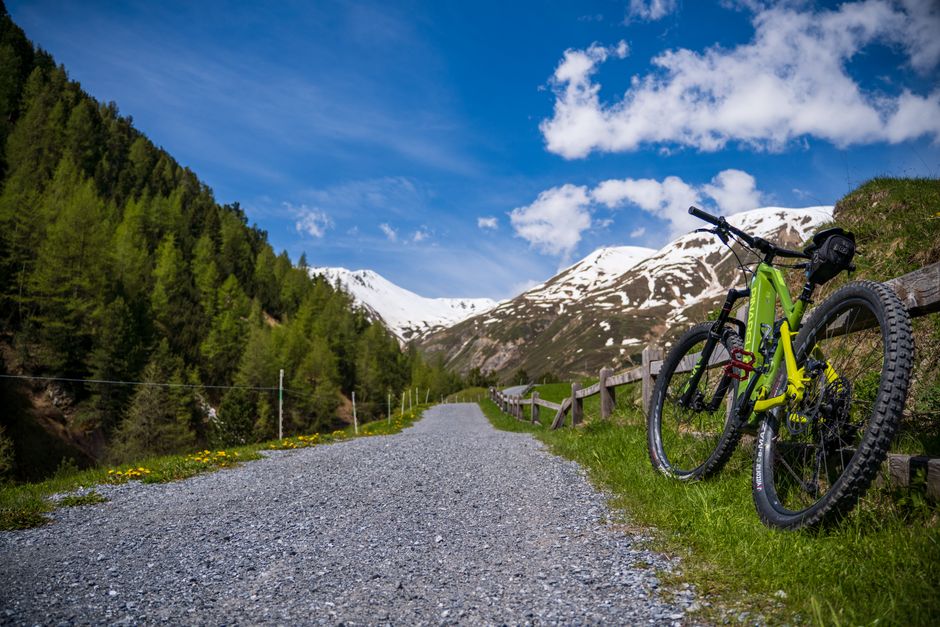
A gravel bike is a drop-bar bicycle specifically engineered to handle a wide variety of surfaces, bridging the gap between high-speed road cycling and rugged off-road trail riding.
At first glance, a gravel bike resembles a traditional road bike due to its curved handlebars, but closer inspection reveals a longer wheelbase, a slacker frame geometry for stability on loose terrain, and much wider tire clearance.
This allows riders to mount high-volume tires that can run at lower pressures, providing excellent traction and comfort on unpaved surfaces.
According to a guide detailing bicycle genres, sub-genres, and parts provided by Walton College Outdoor Recreation, understanding how these sub-genres differ is key to finding the right fit.
The gravel bike represents a modern sub-genre that has revolutionized recreational cycling by eliminating the boundary between asphalt and dirt.
Instead of being forced to turn back when the pavement ends, a gravel rider can confidently continue onto fire roads, gravel pathways, and smooth forest singletrack, enjoying an uninterrupted adventure.
Most guides suggest introducing cycling clothing, accessories, and training plans within the first three months of ownership.
For a gravel bike owner, this progression is highly beneficial.
Transitioning from basic flat pedals to clipless shoes, purchasing gravel-specific bib shorts with extra storage pockets, and establishing a structured training plan helps riders build the core stamina needed for long-distance, mixed-terrain explorations.
As beginners develop their physical capacity, these accessories and structured plans prevent discomfort and allow them to tackle more demanding terrain safely.
An excellent example of a modern gravel bike is the Canyon Grizl or the Specialized Diverge.
These bikes often come equipped with gravel-specific drivetrains like Shimano GRX or SRAM Apex, which feature a clutch mechanism in the rear derailleur to keep the chain from bouncing off when riding over bumpy surfaces.
They also feature multiple mounting points on the frame and fork, allowing riders to attach frame bags, water bottle cages, and fenders for extended self-supported rides.
A common mistake beginners make with gravel bikes is over-inflating their tires.
Coming from a background of high-pressure road tires, many new riders pump their gravel tires to the maximum pressure listed on the sidewall, which can be around sixty to seventy pounds per square inch.
This high pressure ruins the bike's off-road performance, making the ride incredibly bumpy, reducing traction on loose gravel, and increasing the risk of sliding out in corners.
Running tubeless tires at lower pressures, often between thirty and forty-five pounds per square inch depending on rider weight, is essential for experiencing the true comfort and grip that a gravel bike is designed to deliver.
Hardtail Mountain Bike

A hardtail mountain bike is a bicycle designed for off-road trail riding that features a suspension fork on the front wheel to absorb impacts, while the rear of the frame remains completely rigid.
This design provides a highly responsive pedaling platform because there is no rear linkage to flex or bob under power, making it incredibly efficient at climbing hills and riding on smoother dirt trails.
The wide, knobby tires offer immense grip on loose dirt, mud, and wet roots, giving beginners the confidence they need to explore nature.
This category applies perfectly when a beginner wants to ride primarily on dirt trails, singletrack, and rugged forest pathways.
While a hybrid bike can handle smooth dirt, a hardtail mountain bike is built to endure the repetitive impacts of rocks, drops, and tree roots.
The suspension fork, usually offering eighty to one hundred and twenty millimeters of travel, cushions the rider's hands and wrists, allowing for better steering control and reduced physical exhaustion during long trail rides.
An outstanding example of an entry-level hardtail mountain bike is the Trek Marlin 7 or the Specialized Rockhopper.
These bikes feature modern trail geometries, hydraulic disc brakes, and simple one-by drivetrains, which eliminate the front derailleur entirely.
This single-shifter setup makes gear selection incredibly intuitive for beginners, reducing the likelihood of dropped chains and allowing the rider to focus entirely on choosing the safest line through a rocky descent.
However, beginners often make the mistake of buying a heavy, complex full-suspension mountain bike when a simple hardtail would be far more appropriate for their budget and skill level.
Full-suspension bikes are heavier, require intensive rear shock maintenance, and cost significantly more for equivalent component quality.
Another common error is buying a hardtail mountain bike and riding it exclusively on paved city bike paths.
The aggressive, knobby tires create massive rolling resistance on asphalt, making the bike feel slow and sluggish, while rapidly wearing down the expensive rubber tread.
Endurance Road Bike

An endurance road bike is a drop-bar bicycle optimized for long-distance riding on paved surfaces, emphasizing comfort, stability, and efficiency over pure aerodynamic speed.
Unlike aggressive racing bikes, an endurance road bike features a taller head tube and a shorter reach, which places the rider in a more upright, relaxed sitting position.
This reduces strain on the lower back, neck, and shoulders, allowing beginners to spend hours in the saddle without experiencing debilitating physical fatigue.
This type of bicycle applies when a beginner's primary goal is to join local road cycling clubs, participate in organized charity rides, or tackle long, hilly pavement routes.
The frame is designed with built-in compliance, often utilizing specialized carbon layups or frame inserts to dampen high-frequency road vibrations.
Combined with slick, fast-rolling road tires, this bike allows riders to cover vast distances with minimal energy output compared to heavier, wider-tired alternatives.
Popular examples of this category include the Giant Defy, Trek Domane, and Specialized Roubaix.
These models are engineered to accommodate slightly wider road tires, such as thirty-two millimeter widths, which can be run at lower pressures to further enhance ride comfort.
Many of these bikes also feature subtle, hidden fender mounts, making them excellent choices for year-round training in wet climates where keeping road spray off the rider's body is crucial.
A frequent mistake beginners make with endurance road bikes is choosing a professional-grade racing frame instead.
Drawn in by the sleek aesthetics and lightweight appeal of bikes designed for Grand Tour racers, beginners often purchase highly aggressive, stiff road bikes.
This choice quickly leads to discomfort, numbness in the hands, and a general lack of control, causing many newcomers to abandon road cycling entirely.
Choosing an endurance-focused geometry ensures a pain-free introduction to the sport.
City Cruiser Bike
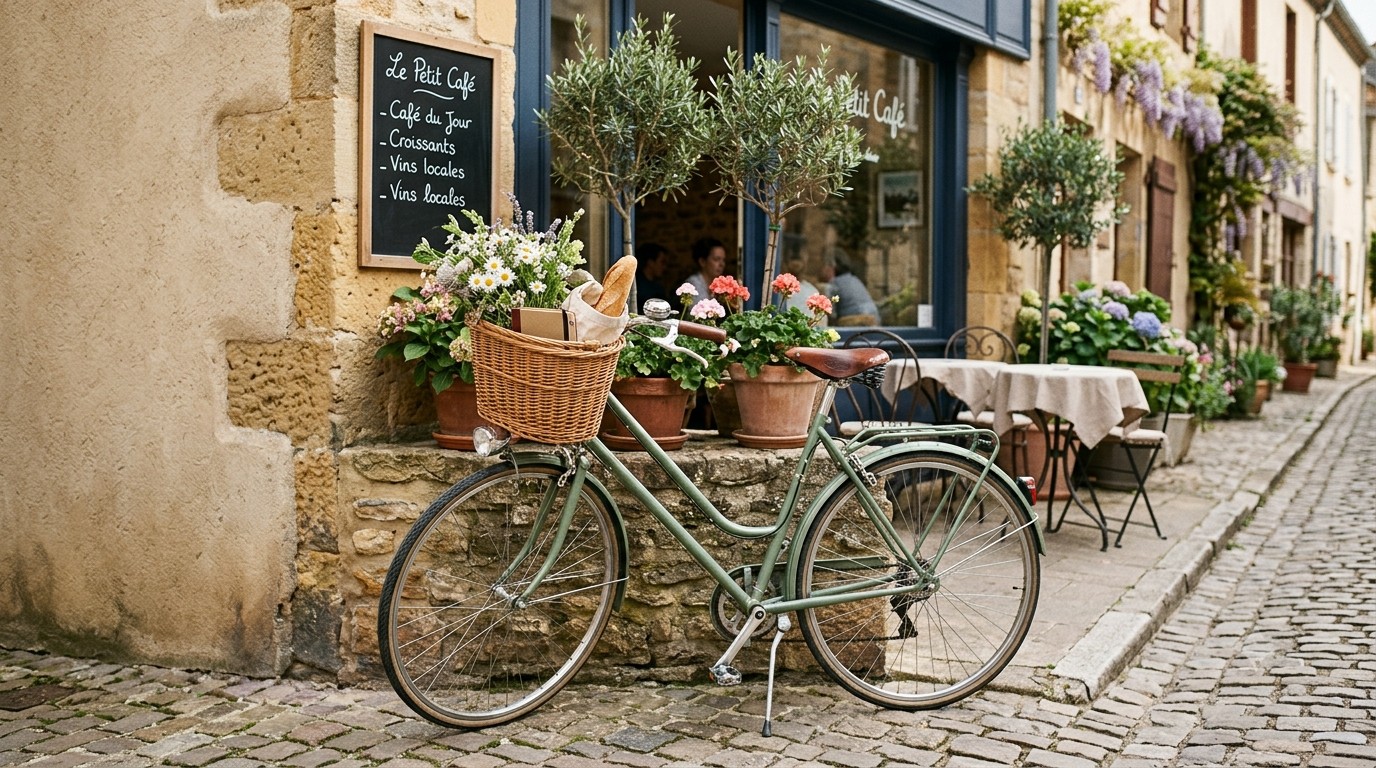
A city cruiser bike is a classic, utility-oriented bicycle characterized by its swept-back handlebars, step-through frame design, and wide, cushioned saddle.
It is designed for short-distance transportation, casual neighborhood exploration, and running errands in flat urban environments.
The upright riding position is highly ergonomic, taking all pressure off the rider's wrists and neck, while allowing for maximum visibility of surrounding traffic and pedestrians.
This bike applies best when speed and long-distance efficiency are not priorities, and the rider simply wants a comfortable, stylish, and highly practical machine for daily life.
Cruiser bikes are built to be durable and low-maintenance, often featuring chain guards to protect clothing from grease, built-in mudguards to shield against puddles, and integrated front or rear racks to carry groceries, school books, or beach gear.
An excellent example of a modern city cruiser is the Electra Loft or the Priority Classic Plus.
The Priority Classic Plus is particularly notable because it utilizes a grease-free carbon belt drive instead of a traditional metal chain, paired with a three-speed internal gear hub.
This setup is virtually maintenance-free and completely eliminates the risk of getting chain grease on your pants, making it an incredibly practical choice for daily casual commuting.
The most common mistake beginners make with city cruiser bikes is attempting to ride them on long, hilly routes or fast-paced group rides.
Because of their heavy steel or aluminum construction, relaxed geometry, and limited gear ranges, cruisers are exceptionally difficult to pedal up steep inclines.
Expecting a cruiser to perform like a fitness bike leads to extreme physical exhaustion and frustration, as these bikes are strictly designed for leisurely paces on flat terrain.
Folding Bike

A folding bike is a highly specialized bicycle featuring hinges in the frame and steering column that allow it to collapse into a compact, easily transportable package within seconds.
Utilizing smaller wheels, typically sixteen or twenty inches in diameter, folding bikes are engineered for maximum space-saving and seamless integration with other forms of transportation, such as trains, buses, and car trunks.
This bike applies perfectly to urban commuters who face the last-mile problem or individuals living in micro-apartments where storing a full-sized bicycle is impossible.
Because the bike folds down, riders can easily bring it inside their office, store it under a desk, or carry it up narrow apartment stairwells, completely eliminating the risk of outdoor bicycle theft.
Prominent examples of this category range from ultra-compact commuter folders to larger-wheeled models built for longer rides.
The most compact designs, in particular, are regarded for their clever folding engineering, allowing them to fit into spaces as small as a large suitcase.
Despite their small wheels, these bikes use custom gearing ratios to ensure that a rider can pedal at a normal cadence and maintain a surprisingly brisk pace on city streets.
A major mistake beginners make with folding bikes is expecting them to handle rough terrain, deep potholes, or high-speed descents like a standard road or mountain bike.
The smaller wheels fall easily into road cracks and potholes, which can cause sudden instability.
Additionally, the structural hinges require regular inspection and tightening; neglecting this maintenance can lead to frame play and compromise the safety of the bicycle over time.
Electric Assist Hybrid Bike

An electric assist hybrid bike, or e-hybrid, is a flat-bar hybrid bicycle equipped with an integrated electric motor and a rechargeable lithium-ion battery.
The system operates on a pedal-assist basis, meaning the motor only activates when the rider is actively pedaling, amplifying their natural leg power.
This allows riders to travel further, tackle steep hills with ease, and arrive at their destination without being drenched in sweat.
This bicycle applies beautifully to individuals who want to use a bike for utility and commuting but are deterred by long distances, heavy headwinds, or hilly topography.
It is also an exceptional tool for riders returning to fitness after an injury, older adults who want to keep up with faster group rides, or anyone looking to replace car trips with a healthier, more sustainable alternative.
Concrete examples of high-quality electric assist hybrid bikes include the Specialized Turbo Vado and the Trek FX+ 2.
These bikes feature sophisticated mid-drive or hub motors that measure the rider's pedaling force and deliver seamless, natural-feeling assistance.
They also come equipped with integrated digital displays, hydraulic disc brakes to handle the increased speed and weight of the e-bike, and built-in front and rear lights powered directly by the main battery.
A significant mistake beginners make with electric assist hybrid bikes is failing to manage their battery range and power settings properly.
Riding constantly in the highest assistance mode drains the battery rapidly, and if the battery dies, the rider is left pedaling a heavy, unassisted bicycle that can weigh upwards of twenty-five kilograms.
Additionally, new riders often neglect the specialized maintenance required for e-bikes, such as monitoring chain wear, which occurs much faster due to the high torque generated by the electric motor.
Touring Bike

A touring bike is a heavy-duty road bicycle designed specifically for self-supported, long-distance travel while carrying heavy loads of gear, clothing, and camping equipment.
It features an incredibly strong frame, typically made of high-quality steel, a long wheelbase for stable handling when loaded, and a wide array of threaded mounts for front and rear racks, fenders, and multiple water bottles.
This bike applies when a beginner's ultimate goal is to embark on multi-day bike-packing expeditions, cross-country journeys, or heavy-duty utility hauling.
The geometry of a touring bike is exceptionally stable, designed to track straight even when carrying thirty kilograms of luggage distributed across front and rear panniers.
The gear ratios are incredibly low, resembling those of a mountain bike, to allow riders to spin slowly up mountain passes while loaded with gear.
Classic examples of touring bikes include the Surly Long Haul Trucker, the Trek 520, and the Kona Sutra.
These bikes utilize highly durable, easily repairable components, such as mechanical disc brakes or traditional rim brakes, and steel frames that can be welded back together in remote parts of the world if an emergency arises.
They also use robust, high-spoke-count wheels to prevent broken spokes under heavy loads.
However, a common mistake beginners make is purchasing a dedicated touring bike for quick, lightweight fitness rides or short weekend jaunts.
Without a heavy load to stabilize it, a touring bike can feel sluggish, heavy, and slow to accelerate compared to a light road or hybrid bike.
Unless a rider is actively planning to carry heavy panniers over long distances, the specialized design elements of a touring bike can make casual, unladen rides feel uninspiring and physically demanding.
답글 남기기