
Romantic Comedy

Romantic Comedy, often abbreviated as Rom-Com, serves as the most accessible entry point for those new to the world of Korean television.
Characterized by its whimsical humor, slow-burn romantic tension, and highly stylized production, this genre has captured global audiences by focusing on the emotional journey of its protagonists.
Unlike many Western comedies that rely on rapid-fire banter or explicit situations, Korean romantic comedies prioritize the gradual development of emotional intimacy, often using classic narrative tropes such as contract marriages, childhood connections, or workplace dynamics.
The writing typically emphasizes the emotional growth of both leads, ensuring that their eventual union feels earned and deeply satisfying.
A defining characteristic of this genre is its structural pacing, which is designed to keep viewers engaged over a multi-week viewing cycle.
Most Korean dramas in the romantic comedy category consist of 16 to 20 one-hour episodes.
This generous runtime allows directors and writers to construct elaborate backstories, establish deep-seated character motivations, and build romantic tension over several weeks of viewing.
The narrative arc usually peaks around the middle episodes, where the central couple faces their first major emotional breakthrough, followed by external or internal obstacles that test their commitment before reaching a satisfying resolution in the final hour.
A classic example of this genre that perfectly illustrates its creative boundary-pushing is Secret Garden, a Korean romantic comedy drama featuring body switching.
This series combines corporate heir dynamics with supernatural fantasy, forcing the two main characters to literally walk in each other's shoes.
Modern beginners can find similar genre-defining titles on global streaming platforms like Netflix, Disney+, and Viki, which host a vast library of romantic comedies ranging from office romances like Business Proposal to small-town stories like Hometown Cha-Cha-Cha.
These platforms make it easy to explore how the genre has evolved from the melodramatic tones of the early millennium to the self-aware, fast-paced comedies of today.
The most common mistake beginners make when diving into Korean romantic comedies is expecting immediate physical or romantic resolution.
Viewers accustomed to fast-paced Western media may find themselves frustrated by the slow progression, where a simple hand-hold or a first kiss might take eight episodes to materialize.
It is crucial to understand that the pleasure of the Rom-Com lies in this deliberate anticipation.
The narrative builds immense value around these small milestones, making the eventual romantic payoff feel deeply earned.
Dismissing a show early due to its slow romantic pacing means missing out on the emotional payoff that makes the genre so addictive.
Additionally, beginners often struggle with the sudden tonal shifts common in these dramas.
A single episode can transition from slapstick comedy with exaggerated sound effects to intense emotional melodrama within minutes.
Rather than viewing this as a narrative flaw, beginners should embrace it as a stylistic hallmark of Korean television.
The juxtaposition of humor and heartbreak is designed to keep viewers emotionally invested, ensuring that the story never feels too heavy or too superficial.
Historical Fiction

Historical Fiction, locally known as Sageuk, transports viewers back in time to the various dynastic eras of the Korean peninsula, most notably the Joseon and Goryeo dynasties.
These dramas are renowned for their breathtaking visual aesthetics, featuring intricate traditional clothing known as hanbok, grand palace architecture, and elaborate court ceremonies.
Beyond the visual spectacle, historical dramas are intellectual battlegrounds, focusing on intense political intrigue, royal succession struggles, class disparities, and forbidden romances set against the backdrop of historical events.
The stakes in these dramas are incredibly high, as a single political misstep can lead to the execution of an entire clan.
Beginners looking to explore this genre can find exceptional titles on platforms like Viki, Netflix, and Disney+.
A prime example of a modern, genre-bending historical fiction is Kingdom, which brilliantly fuses traditional Joseon dynasty court politics with a terrifying zombie plague.
For those seeking a more traditional romantic tragedy, The Red Sleeve offers a poignant look at the real-life romance between King Jeongjo and royal court lady Seong Deok-im.
These shows demonstrate the versatility of the historical genre, proving that it can accommodate everything from supernatural horror to intimate, character-driven melodrama.
A frequent mistake made by newcomers is assuming that historical dramas are dry, boring history lessons.
Because of this assumption, many beginners bypass the genre entirely, missing out on some of the most action-packed and emotionally resonant storytelling in television.
In reality, modern historical dramas frequently employ contemporary pacing, modern musical scores, and fictionalized elements to keep the narrative dynamic.
While they are rooted in historical settings, the emotional conflicts and political power struggles remain timeless and universally relatable.
To fully appreciate historical fiction, beginners should also avoid getting bogged down by the complex network of royal titles and historical terminology.
It is common to feel overwhelmed by terms like 'Left State Councillor' or the intricate hierarchy of the royal court during the first few episodes.
Instead of trying to memorize every political title, focus on the core relationships and the clear lines of conflict between the factions.
Over time, the structural patterns of palace politics will become intuitive, allowing you to enjoy the high-stakes chess match played out by the characters.
Survival Thriller
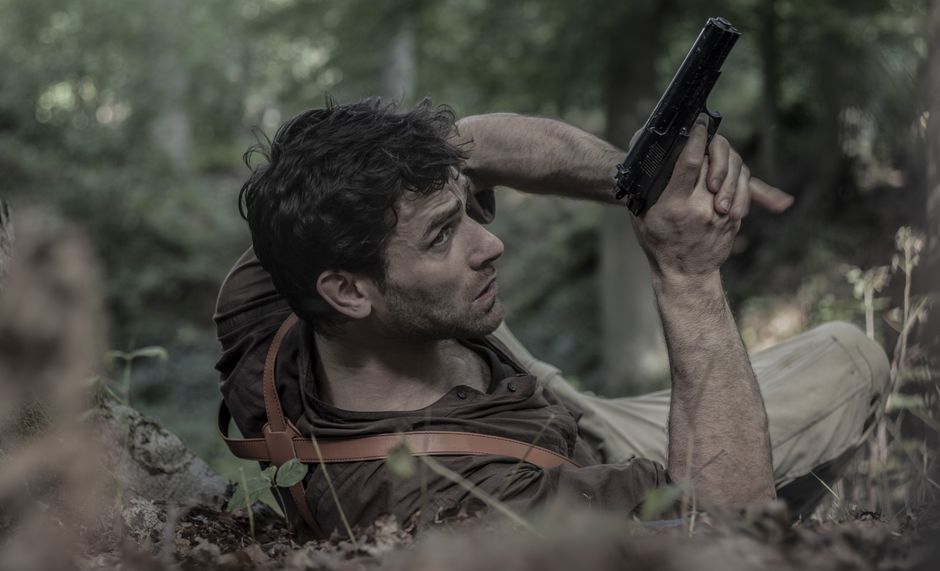
The Survival Thriller has emerged as one of the most globally dominant genres in Korean television, characterized by its intense pacing, high-stakes moral dilemmas, and visceral action.
These dramas place ordinary individuals into extraordinary, life-or-death situations where they must compete, cooperate, or fight to survive.
The genre excels at creating claustrophobic atmospheres and psychological tension, forcing characters to make impossible ethical choices that reveal their true nature.
Beyond the immediate physical threats, survival thrillers serve as sharp allegories for contemporary societal anxieties, exploring themes of wealth inequality, systemic neglect, and the fragility of human morality.
This genre gained unprecedented global recognition through Squid Game, which is a South Korean television series that captivated audiences worldwide.
The show depicts desperate individuals competing in deadly versions of traditional children's games for a massive cash prize, highlighting the extreme lengths to which economic desperation can drive people.
Beginners looking to delve deeper into this high-octane genre can access a wide variety of survival thrillers on major streaming services like Netflix and Disney+, including apocalyptic monster thrillers like Sweet Home and high school zombie survival series like All of Us Are Dead.
The most common mistake viewers make when approaching Korean survival thrillers is focusing solely on the graphic violence or the spectacle of the games, thereby overlooking the rich character development and social commentary.
Unlike many Western survival films that prioritize action choreography over narrative depth, Korean thrillers use the standard structure of 16 to 20 one-hour episodes to build deep, empathetic backstories for even the minor characters.
When a character perishes, the impact is designed to be emotional rather than just sensational.
If you watch these shows merely for the gore, you will miss the profound critique of human empathy and societal structures that lies at the heart of the narrative.
Another error is expecting a simple, black-and-white moral framework.
In these survival scenarios, the line between hero and villain is constantly blurred.
Protagonists are often deeply flawed, making selfish decisions to save themselves or their loved ones, while antagonists may possess sympathetic motivations.
Beginners should approach these series with a willingness to engage with complex gray areas of human behavior.
Pay close attention to how the environments and rules of the survival games reflect real-world economic and social structures, as this thematic depth is what elevates these thrillers above standard survival fare.
Furthermore, beginners should be prepared for the relentless emotional exhaustion that defines the genre.
These series rarely offer easy comfort, often delivering tragic twists that subvert typical heroic expectations.
To get the most out of a survival thriller, embrace the suspense and allow yourself to question what choices you would make if placed in the characters' shoes.
This active intellectual engagement transforms the viewing experience from simple entertainment into a gripping exploration of human nature under extreme duress.
Fantasy Melodrama

Fantasy Melodrama seamlessly blends supernatural elements with deeply emotional, high-stakes romantic narratives.
In this genre, characters often grapple with extraordinary circumstances such as immortality, reincarnation, time loops, or interactions with mythological entities.
These supernatural elements are not merely decorative; they serve as powerful metaphors for love, grief, destiny, and the passage of time.
The melodrama aspect ensures that the emotional stakes are incredibly high, with characters often facing cosmic obstacles, ancient curses, or tragic fates that threaten to tear them apart across multiple lifetimes.
Beginners can easily find iconic examples of this genre on platforms like Viki and Netflix.
A standout title is Guardian: The Lonely and Great God, often referred to as Goblin, which follows an immortal protector of souls who must find his mortal bride to end his eternal life.
Another landmark series is My Love from the Star, which details the romance between an alien stranded on Earth for four centuries and a modern-day top actress.
These series demonstrate how the genre utilizes fantasy to elevate ordinary romantic conflicts into epic, fate-driven struggles that span centuries.
A frequent mistake made by beginners is analyzing the fantasy elements with rigid, hard science-fiction logic.
Newcomers often get frustrated by inconsistent magical rules or unexplained supernatural phenomena.
It is important to understand that Korean fantasy melodramas prioritize emotional resonance and symbolic meaning over strict scientific consistency.
The magic exists to facilitate character growth and explore profound themes of love and mortality.
Approaching these shows with a flexible imagination and focusing on the emotional truths of the characters will yield a far more rewarding viewing experience.
Additionally, beginners sometimes underestimate the emotional intensity of these series, expecting a lighthearted fantasy adventure.
Because these dramas deal with themes of death, reincarnation, and eternal separation, they can be emotionally taxing.
Viewers should prepare themselves for tear-jerking scenes and sweeping, cinematic soundtracks designed to maximize emotional impact.
By accepting the heightened reality and emotional vulnerability of the genre, beginners can fully appreciate the poetic beauty and epic scale that fantasy melodramas offer.
Slice of Life

Slice of Life dramas, often referred to as 'healing dramas' by fans, focus on the quiet, ordinary moments of everyday existence.
Unlike high-concept thrillers or melodramas, these series lack dramatic villains, explosive conspiracies, or high-stakes action.
Instead, they find beauty and profound meaning in the mundane: sharing a meal with family, navigating workplace frustrations, maintaining long-term friendships, and coping with quiet grief.
The genre is deeply therapeutic, offering viewers a sense of comfort, warmth, and relatability by reflecting their own daily struggles and triumphs on screen.
The structural format of Korean television is uniquely suited to this genre.
Because most Korean dramas consist of 16 to 20 one-hour episodes, writers have the luxury of time to build incredibly detailed, slow-paced character studies.
This extended format allows viewers to live alongside the characters over several weeks, fostering a deep sense of intimacy and empathy.
A prime example of this is Hospital Playlist, available on Netflix, which follows five doctors who have been friends since medical school as they navigate the daily realities of life, death, and music.
Another masterpiece is Reply 1988, which beautifully captures the nostalgic community spirit of five families living on a single street in Seoul.
The biggest mistake beginners make with Slice of Life dramas is abandoning them after the first episode because they feel 'nothing is happening.' Accustomed to fast-paced plots with immediate hooks, new viewers may find the slow introduction of characters and lack of an obvious central conflict boring.
However, the magic of Slice of Life lies in its cumulative emotional weight.
The slow build-up is intentional, designed to make you feel like an honorary member of the characters' social circle.
By the time you reach the final episodes, the smallest gestures of kindness or quiet emotional breakthroughs will carry more weight than any action sequence.
To enjoy this genre, beginners should adjust their viewing habits.
Instead of binge-watching to find out 'what happens next,' approach these dramas as a daily ritual of relaxation.
Let the atmosphere, the realistic dialogue, and the gentle musical scores wash over you.
Pay attention to the cultural nuances, such as the significance of sharing food or the quiet ways characters support each other without speaking.
By slowing down to match the pace of the drama, you will discover why so many viewers consider Slice of Life to be the most comforting and enduring genre in Korean television.
Legal and Crime Procedural
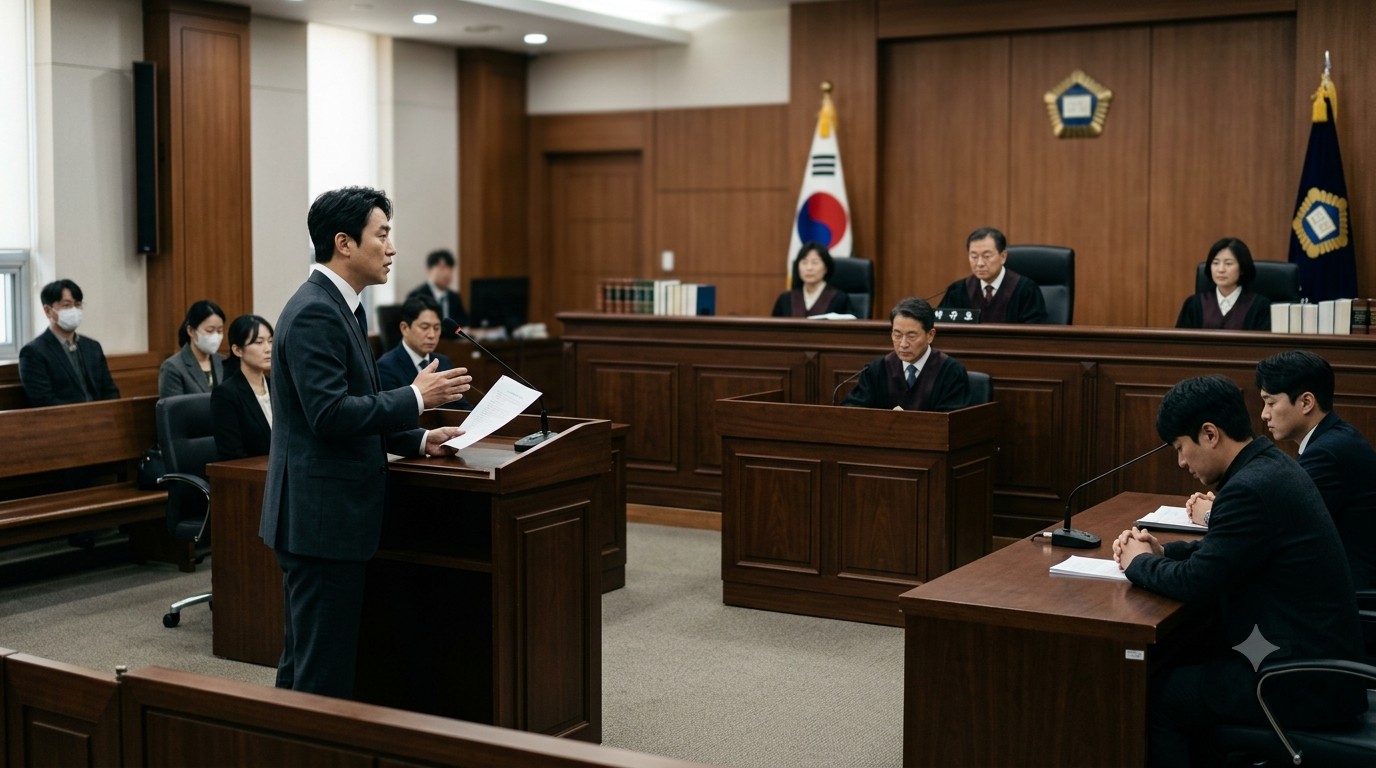
Legal and Crime Procedurals in the Korean drama landscape offer a gripping look into the justice system, focusing on prosecutors, defense attorneys, detectives, and judges as they battle systemic corruption.
These dramas are intellectual and fast-paced, often exposing the collusion between powerful corporate conglomerates, politicians, and the justice department itself.
Rather than focusing solely on individual crimes, these series examine the moral compromises and systemic flaws inherent in the pursuit of justice, presenting a gritty, realistic view of societal power structures.
For beginners eager to explore this genre, platforms like Netflix, Disney+, and Viki offer exceptional options.
A critical masterpiece in this category is Stranger, also known as Forest of Secrets, which follows an emotionless prosecutor and a passionate female detective as they unravel a massive web of corruption within the government.
Another highly acclaimed, lighter take on the genre is Extraordinary Attorney Woo, which details the journey of a brilliant rookie lawyer on the autism spectrum.
These examples show how the genre can range from dark, cerebral conspiracies to heartwarming character-driven legal battles.
A common mistake beginners make is expecting an episodic, case-of-the-week format typical of Western legal dramas like Law & Order.
In contrast, Korean legal and crime procedurals usually follow one or two overarching, highly complex conspiracies across their standard 16-episode run.
Newcomers who expect quick resolutions at the end of each hour may find themselves confused or impatient with the slow unraveling of the central mystery.
It is essential to treat the entire series as a single, massive puzzle where every minor detail and character interaction in the early episodes eventually connects to the grand finale.
Furthermore, beginners should pay close attention to the specific roles and power dynamics of Korean institutions.
The relationship between the police force and the prosecution office, for instance, involves distinct legal jurisdictions and historical tensions that often drive the plot.
Understanding these systemic dynamics adds a layer of intellectual satisfaction to the viewing experience, transforming a standard crime story into a fascinating study of institutional power and reform.
Sci-Fi and Time Travel

Sci-Fi and Time Travel dramas utilize speculative concepts to explore human relationships, regret, and the ethical dilemmas of altering history.
Rather than focusing heavily on futuristic technology or space exploration, Korean science fiction often grounds its high-concept premises in emotional realities.
Time travel is frequently used as a narrative device to solve unresolved cold cases, prevent tragic accidents, or reunite separated loved ones.
The genre masterfully balances intellectual puzzles with emotional stakes, asking viewers to consider the heavy consequences of changing the past and the inevitability of destiny.
Iconic examples of this genre are widely available on platforms like Viki and Netflix.
A stellar starting point is Signal, a critically acclaimed thriller where a modern-day profiler and a detective from the 1980s communicate via a mysterious walkie-talkie to solve cold cases.
Another excellent series is Tunnel, which features a detective who slips through time from 1986 to the present day while chasing a serial killer.
These series demonstrate how temporal anomalies are used to create intense suspense and bridge different eras of Korean society, highlighting how past actions reverberate through the present.
The most prevalent mistake beginners make when watching these dramas is searching for absolute scientific accuracy or paradox-free time travel mechanics.
Newcomers often get distracted trying to map out a logically flawless timeline, pointing out temporal paradoxes or questioning the physical laws of the time-slip mechanism.
In Korean sci-fi, the supernatural or temporal element is a vehicle for emotional and moral exploration, not a physics thesis.
The focus is always on the emotional toll of carrying secrets across time, the grief of lost opportunities, and the human drive to protect others at all costs.
To fully appreciate this genre, beginners should focus on the character arcs and the thematic questions being raised.
Notice how the writers use the contrast between different time periods to comment on societal changes, technological advancements, and the persistence of human nature.
By accepting the temporal rules established by the show's universe, you can enjoy the intricate plotting and emotional resonance that make these mind-bending narratives so memorable.
Chaebol Corporate Drama

Chaebol Corporate Dramas center on the lives of South Korea's ultra-wealthy, family-run business conglomerates, known as chaebols.
This genre is a fascinating mix of high-society luxury, intense corporate maneuvering, inheritance battles, and class conflict.
The narrative engines of these dramas are driven by succession struggles, board meetings, stock manipulation, and the ruthless lengths to which family members will go to secure control of the company.
These series offer a peek into a world of extreme privilege while simultaneously critiquing the moral corruption and societal divide that such wealth can create.
Beginners can find exceptional chaebol-focused narratives on streaming platforms like Viki, Netflix, and Disney+.
A massive hit that exemplifies the modern corporate revenge drama is Reborn Rich, which tells the story of a loyal employee who is betrayed and murdered by a chaebol family, only to wake up reincarnated as the family's youngest son, plotting his corporate takeover from within.
For a lighter, more comedic take on the chaebol lifestyle, What's Wrong with Secretary Kim explores the narcissistic personality of a corporate vice-chairman and his relationship with his highly capable secretary.
A common mistake among new viewers is dismissing chaebol dramas as unrealistic, over-the-top soap operas with no real-world relevance.
While some elements are certainly dramatized for entertainment value, the genre actually reflects real-world Korean economic history and societal fascination with the powerful families that helped build the nation's economy.
The corporate strategies, familial hierarchies, and legal battles depicted in these shows are often inspired by real-life corporate scandals and succession battles, making them highly engaging for viewers interested in business dynamics and social commentary.
To get the most out of a chaebol drama, beginners should pay attention to the subtle social cues and power dynamics on display.
The way characters speak, bow, or seat themselves at dinner tables often reveals their position within the family and corporate hierarchy.
Understanding these unspoken rules of etiquette and status adds a rich layer of subtext to the intense boardroom standoffs and family dinners, elevating the viewing experience from simple melodrama to a sharp study of class and power.
Action and Military Romance

Action and Military Romance dramas combine high-octane physical danger, geopolitical tension, and tactical operations with deeply passionate romantic relationships.
These series often feature elite soldiers, secret agents, intelligence officers, and medical professionals working together in high-stress environments, such as active conflict zones, disaster areas, or covert operations.
The genre excels at creating cinematic spectacle, utilizing high production values, international locations, and complex action choreography to keep viewers on the edge of their seats while maintaining a strong emotional core.
This genre is highly accessible on global platforms like Netflix and Viki.
A global phenomenon that represents the pinnacle of this genre is Descendants of the Sun, which details the love story between a special forces captain and a trauma surgeon deployed to a fictional war-torn country.
Another action-packed option is Vagabond, a high-stakes espionage thriller involving a stuntman caught in a national conspiracy and a secret agent working for the National Intelligence Service.
These dramas showcase the industry's ability to produce cinematic, blockbuster-scale television series.
The most frequent mistake made by beginners is expecting a hyper-realistic, documentary-style depiction of military tactics or espionage operations.
Newcomers often critique the tactical inaccuracies, the stylized action choreography, or the highly romanticized portrayal of military life.
It is important to remember that these shows are designed as melodramas first and military manuals second.
The action sequences and geopolitical crises exist to test the characters' loyalty, courage, and commitment to each other under extreme pressure.
Beginners should embrace the stylized heroism and cinematic sweep of these series.
The juxtaposition of intense, life-threatening combat with quiet, tender romantic moments is what gives the genre its unique emotional power.
By allowing yourself to be swept up in the grand scale and dramatic tension of the narrative, you can enjoy a thrilling viewing experience that perfectly balances adrenaline-pumping action with heartfelt romance.
School and Youth Melodrama

School and Youth Melodramas focus on the turbulent, formative years of high school and university life, capturing the intense pressure of academic competition, the sweetness of first love, and the pain of growing up.
While these series feature youthful protagonists, they are far from trivial.
They frequently tackle heavy, realistic issues such as systemic bullying, mental health struggles, family expectations, and the brutal reality of the college entrance exam system, known as suneung.
The genre is deeply nostalgic, often appealing directly to adult audiences who look back on their youth with a mixture of fondness and melancholy.
These dramas are widely available on platforms like Netflix and Disney+.
A critically acclaimed masterpiece of youth nostalgia is Twenty-Five Twenty-One, which follows a teenage fencer and a hardworking young man navigating their dreams and relationships in the aftermath of the late-1990s financial crisis.
For a darker, high-stakes look at the academic pressures faced by the elite class, Sky Castle offers a satirical yet devastating critique of wealthy parents who will stop at nothing to secure admission for their children into prestigious universities.
A major mistake beginners make is assuming that school and youth dramas are childish or superficial stories meant only for teenagers.
Because of this preconception, many adult viewers avoid the genre, missing out on some of the most emotionally mature and socially critical writing on television.
Korean youth dramas are unique in their ability to treat young people's emotions and struggles with profound respect and seriousness, highlighting how the pressures of youth reflect the broader anxieties of adult society.
To fully appreciate this genre, beginners should pay attention to how the narrative uses nostalgia to bridge generational gaps.
Many of these dramas are set in specific historical periods, utilizing period-accurate music, fashion, and cultural references to create a rich sense of time and place.
By focusing on the universal emotional truths of friendship, ambition, and resilience, beginners can find deep comfort and emotional resonance in these stories of youth, discovering that the struggles of growing up remain the same regardless of time or place.
답글 남기기